







Search Results for: store inventory
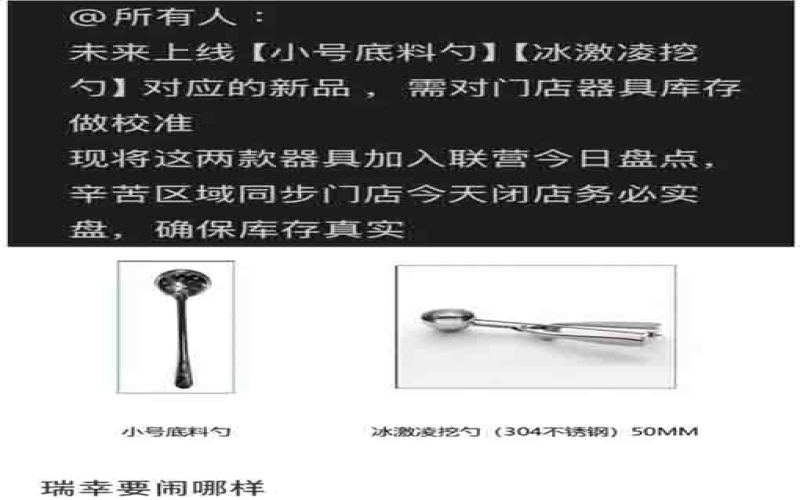
Luckin store year-end inventory uncovers ice cream scoops, veteran employees worry production process will become complicated again
In the final days of 2025, Luckin employees were busy with year-end inventory checks when they unexpectedly received a notice to calibrate store equipment stock, requiring them to verify whether small base-ingredient scoops and ice cream scoops were complete. This move immediately sparked speculation: is the brand about to launch a new product that requires scooping ice cream balls on site? Veteran employees were also reminded of the cumbersome add-in tea drinks from the Little Deer Tea era. With timeliness and hourly cup volume assessments becoming increasingly stringent, complex new products will undoubtedly add pressure on stores. Workers generally resist it, but some optimistic people think it may just be a routine inventory check. [more…]

Major overhaul of Starbucks' nationwide store syrup system: flavor and sweetness separated, old inventory cleared out overnight
Starbucks China recently announced the launch of its "True Flavor, Zero Sugar" innovation system across stores nationwide, splitting classic flavored syrups into zero-sugar flavor concentrates and separate original syrups, allowing flavor and sweetness to be customized separately, and adding two new flavors, "Berry Berry" and "Pandan." However, with the rollout of the new policy, staff at stores nationwide were required to centrally destroy old syrup inventory after closing on the 7th, with classic flavors such as vanilla, hazelnut, and salted caramel poured down the drain. This sudden "one-size-fits-all" sugar swap not only marks the beginning of Starbucks' flavor customization era, but also leaves many baristas lamenting the end of an era. [more…]
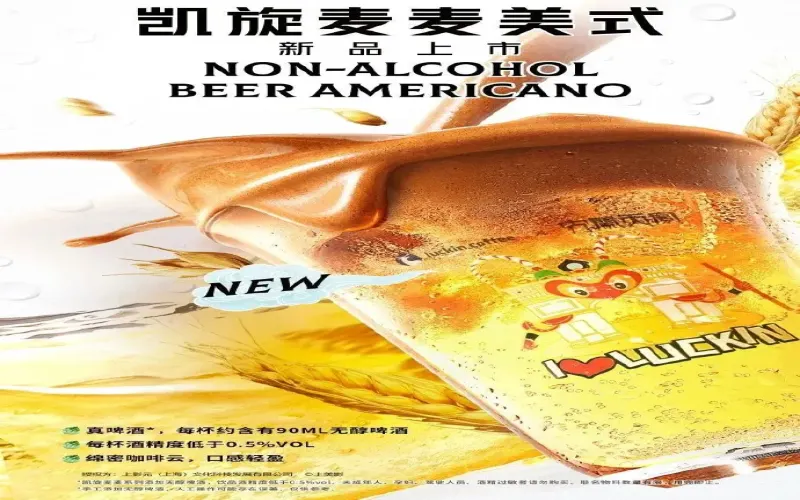
Luckin's alcohol-free beer series has been fully discontinued, with stores in multiple regions centrally destroying their inventory of raw ingredients.
Luckin Coffee's "Triumphant McCafé Series" non-alcoholic beer drinks, launched in collaboration with Havoc in Heaven, has been declared fully discontinued after a brief market trial. This limited-edition product, once promoted for "containing 90ml of non-alcoholic beer" and briefly trending on Weibo, ultimately led to significant inventory buildup in many stores due to lackluster consumer feedback and low repurchase rates. Before September 30, all stores are required to destroy all beer ingredients on their own, and social platforms have once again seen spectacular scenes of employees collectively pouring out the drinks. This article will review the entire process of the series from its high-profile launch to its quiet exit, analyzing the challenges and helplessness that fast-moving consumer chain brands face in product lifecycle management. [more…]
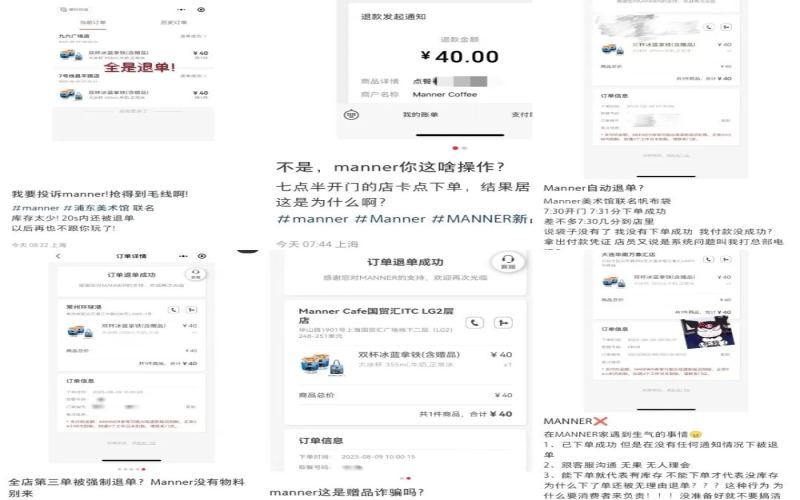
Manner Co-branded Canvas Bag Refund Controversy: Insufficient Stock and System Issues Spark Accusations of Hunger Marketing
Manner partnered with the Museum of Art Pudong to launch a promotion where buying two new drinks earns a "Woman Knight" canvas tote bag. The offer was limited to one day and only 10,000 bags nationwide, triggering a buying frenzy. However, many customers had their orders automatically canceled by the system after successful payment, or were told upon arriving at the store that the gifts were already gone, resulting in a terrible experience. Netizens questioned whether stores had stocked too few bags, whether the system inventory matched reality, and some even suspected the gifts were flowing onto second-hand platforms to be resold at high prices. This is not the first time Manner has been criticized over gift inventory issues, dealing another heavy blow to brand goodwill. Front Street Coffee is following this incident and walks you through how it unfolded. [more…]
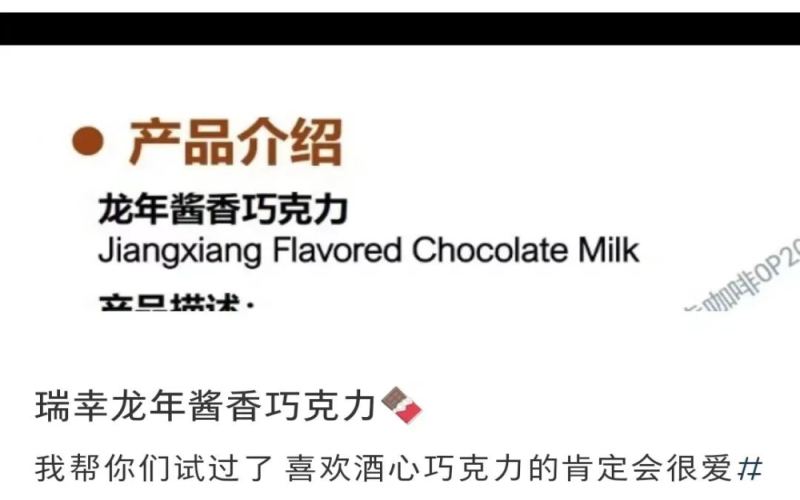
Luckin Rumored Again to Team Up with Moutai for a Dragon Year Sauce-Flavored Chocolate, Netizens Suspect It's a Clear-Inventory Marketing Move
Last year, the collaboration between Luckin Coffee and Moutai to create the Sauce-Flavored Latte took the market by storm, becoming a phenomenon-level co-branded product. Recently, rumors have circulated online that the two parties will collaborate once again, with plans to launch a "Year of the Dragon Sauce-Flavored Chocolate." The ingredients of the new product are quite similar to the Sauce-Flavored Latte, sparking discussions among netizens about its taste and motives. Some believe this may be a routine move by the brand to clear raw material inventory using an old recipe. In fact, Luckin has repeatedly launched new products by slightly adjusting the recipes of existing beverages to maintain a high-frequency product launch rhythm. Whether this strategy can sustain the hit-making effect still needs to be tested by the market. [more…]
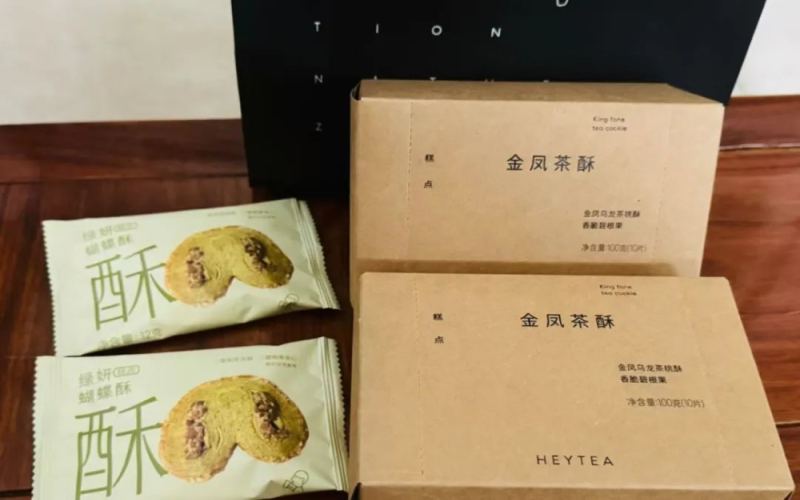
Heytea's Golden Phoenix Tea Pastry buy-one-get-one-free promotion sold out as soon as it started, and consumers are questioning the stores' stock arrangements.
Heytea today launched a limited-time buy-one-get-one-free promotion for its Golden Phoenix Tea Pastry, but as soon as the promotion began, a large number of consumers found that the promotion link showed it was sold out, while the non-promotion link for the same product could still be ordered normally, sparking confusion and dissatisfaction. This is not the first time Heytea has run into controversy over a buy-one-get-one-free promotion. Last week's matcha buy-one-get-one-free offer also led to multiple stores removing the item due to insufficient materials. Is it insufficient inventory preparation, or differences in store operating strategies? This article sorts through the course of events and the accounts from all sides to get to the bottom of it. [more…]
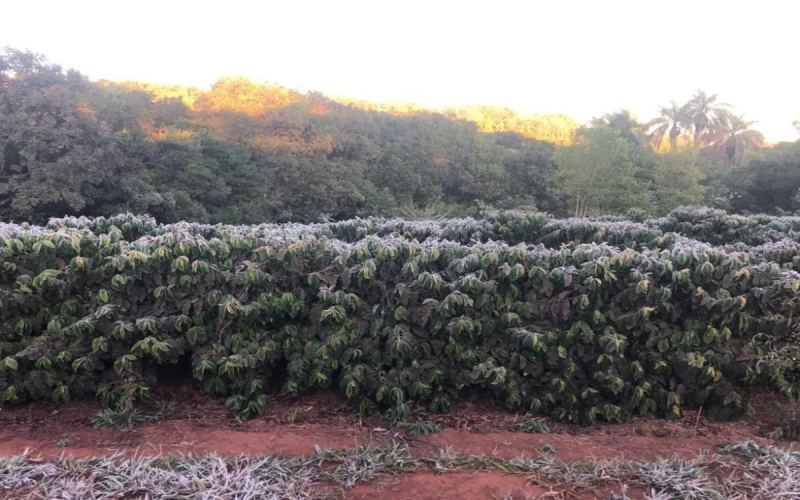
Coffee Stocks in Crisis: ICE Exchange Plans to Re-certify Two-Year-Old Brazilian Beans for Market Release
Brazil, the world's largest coffee producer, has suffered consecutive droughts and frosts, with its 2022/23 harvest falling far short of expectations. Certified coffee inventories on the ICE exchange have continued to decline, keeping coffee futures prices elevated. To ease the inventory crunch, ICE plans to re-grade and re-certify a batch of Brazilian Arabica old-crop beans that have been in storage for nearly two years and put them into trading. Although this move is not a violation of the rules, it has sparked concerns among traders about coffee quality and the mixing of old and new beans. This article will review the background of Brazil's reduced output, the logic behind futures price fluctuations, and the possible chain reactions that re-certifying old-crop beans may bring to the market. [more…]
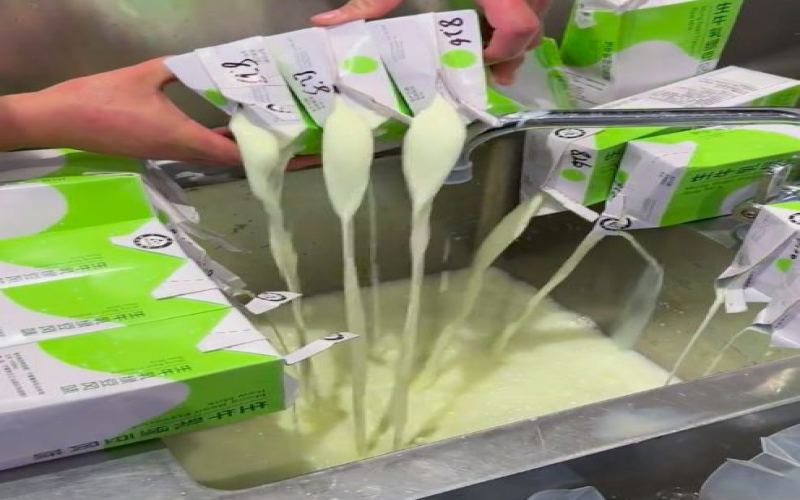
Luckin Coffee removes 8 drinks from menus at once, stores asked to dump unexpired ingredients, sparking heated debate
Luckin Coffee recently carried out a centralized removal of multiple drinks, involving products launched within the past six months such as Peach Peach Coffee and Jelly Coconut Latte. The brand required stores nationwide to pour all unopened, still-within-shelf-life ingredients down the drain after closing, sparking widespread discussion among employees and netizens. Some veteran employees have grown accustomed to this, while more people questioned that this handling method causes serious waste and called on the brand to adopt more reasonable ways to consume inventory. The incident reflects the contradiction between rapid product iteration and ingredient management in chain coffee brands. [more…]
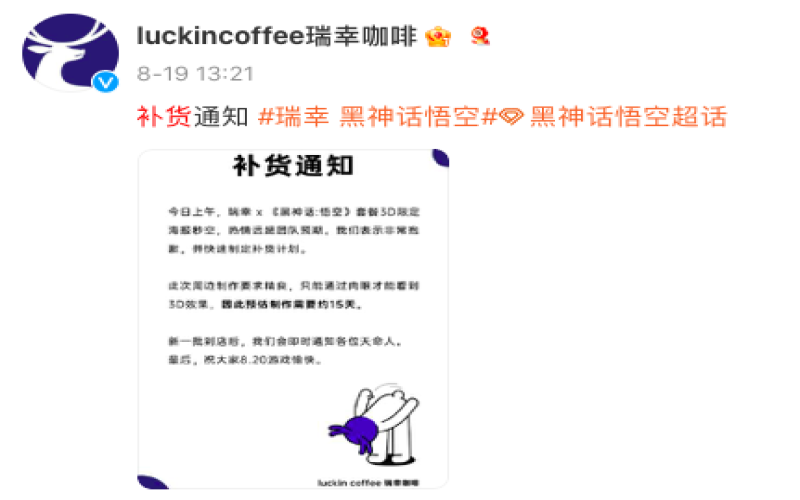
Luckin's co-branded merchandise restock accused of passing off old stock as new, consumers question hunger marketing strategy
Luckin Coffee's collaboration with "Black Myth: Wukong" ignited the market, with the lenticular card posters selling out rapidly and sparking consumer dissatisfaction. After the official promise of restocking within 15 days, some stores gradually received new supplies, but customers discovered that the production date on the newly arrived posters was July 15, the same as the first batch, raising questions that the brand was passing off old inventory as restocked goods, which once again triggered discussions about Luckin's marketing strategy. The incident exposed multiple issues in the supply chain and inventory management of collaboration merchandise, and also made consumers doubt the brand's sincerity. [more…]
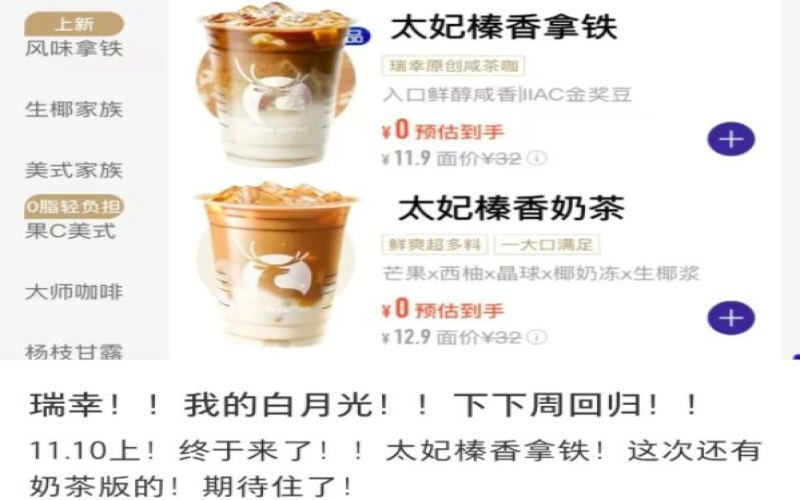
Luckin's launch of Toffee Hazelnut Milk Tea sparks debate: accused of mixing unsold ingredients to clear inventory, classic latte recipe also adjusted
As the weather turns cooler, Toffee Hazelnut Latte has once again become a hot topic among coffee enthusiasts. Brands such as Starbucks and Peet's have successively announced the return of their classic versions, and Luckin is also reported to be launching a Toffee Hazelnut Latte next week, along with a new "Toffee Hazelnut Milk Tea." However, this new product has sparked collective concern among Luckin employees. According to a leaked recipe, the milk tea uses Assam black tea as its base, with the addition of Toffee Hazelnut Velvet Flavored Milk, brown sugar syrup, Silkido, and Milk Skin Velvet Flavored Milk. Employees pointed out that when Silkido and Milk Skin Velvet are mixed, they form the "tofu pudding"-like milk jelly that was criticized in the previous Milk Skin Latte, and since these two ingredients have long been overstocked, it is being questioned as a mix-and-match move to clear inventory. Meanwhile, this year's returning Toffee Hazelnut Latte is also rumored to have a changed recipe, which may leave consumers who were expecting last year's taste somewhat disappointed. [more…]
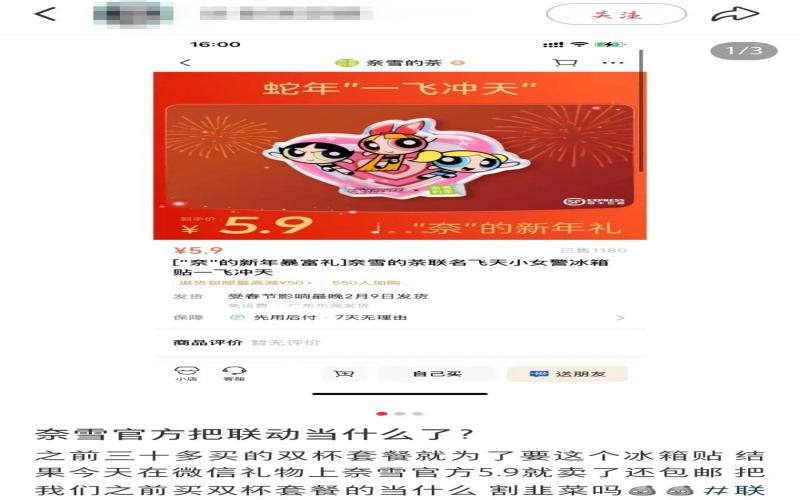
After its limited-edition merchandise event, Nayuki cleared stock at low prices, and fans who bought the bundles cried foul.
Nayuki's official shop recently sold last year's co-branded limited-edition merchandise for 5.9 yuan with free shipping, including Powerpuff Girls fridge magnets, sparking strong dissatisfaction among consumers who had originally bought designated set meals to obtain the merchandise. Some store employees even revealed that some expired merchandise could be obtained for free without any purchase, simply by checking in and writing a positive review. On one side, fans who spent money on set meals feel let down; on the other, the brand is turning inventory into free gifts or selling it at low prices to avoid waste. Regarding how limited-edition merchandise is handled after a campaign ends, consumer opinions are clearly divided—some support clearing out stock, while others worry that bargain hunters exploiting loopholes could affect future collaborations. [more…]
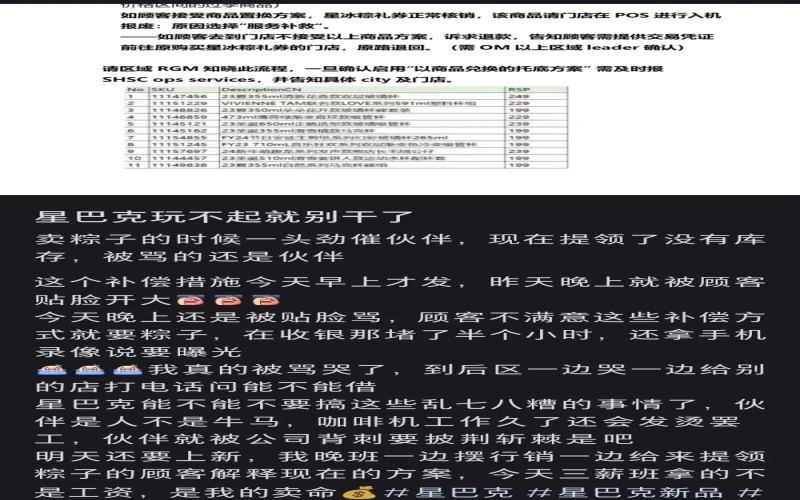
Invalid Frappuccino Zongzi Vouchers Ignite In-Store Conflicts, Leaving Consumers and Staff in Jiangsu, Zhejiang, and Shanghai Under Pressure
During this year's Dragon Boat Festival, several Starbucks stores in the Jiangsu-Zhejiang-Shanghai region ran short of Frappuccino Zongzi (sticky rice dumplings), leaving customers holding redemption vouchers unable to collect their goods as scheduled. At some stores, heated arguments broke out between customers and staff. Some employees were reduced to tears by verbal abuse, while other customers threatened to call the police or expose the situation. Starbucks responded that it had made every effort to meet redemption demand, but some consumers remained dissatisfied with the compensation package. This supply-demand conflict triggered by a zongzi shortage reveals deeper issues in the brand's allocation and inventory management of seasonal products. [more…]
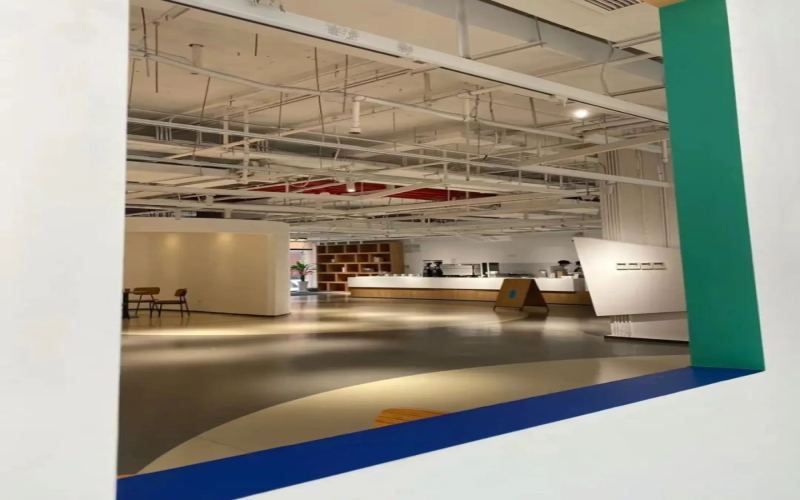
A Complete Inventory of Blue Bottle Coffee Stores in China: Why Is It Still Rooted in Jing'an, Shanghai? An Analysis of Future Expansion Directions
Since Blue Bottle Coffee opened its first mainland China store in early 2022 at the former site of the Shanghai Yutong Flour Mill, it has successively set up three locations in Jing'an Kerry Centre and Zhangyuan. Curiously, this brand, known for its minimalist boutique approach, has not stepped outside Jing'an District for over a year, and has even been jokingly said to have "not even left Shanghai." This article reviews the current store distribution of Blue Bottle Coffee, analyzes the customer base logic and brand tone behind its site selection strategy, and also brings rumors about the possible location of a fourth store in Qingpu's Panlong Tiandi or Pudong's Qiantan. In addition, we continue to recommend boutique bean news from Front Street Coffee, providing coffee enthusiasts with a more comprehensive industry perspective. [more…]
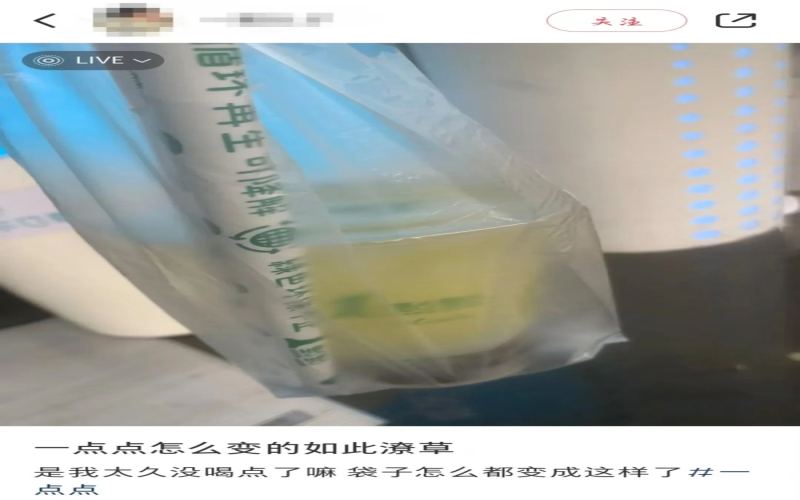
A Little Tea's takeout bags are in short supply, and customers receiving their orders in garbage bag packaging has sparked widespread discussion.
Recently, some consumers reported that when buying a cup of Yidiandian milk tea at a store, staff actually packed the drinks in thin transparent plastic bags or even black garbage bags, sparking heated discussion online. Behind this is not stinginess on the part of the store, but the fact that the paper bags promised by headquarters as replacements had still not arrived, leaving some stores in the awkward situation of "having no bags to use." Employees revealed that before the Chinese New Year, headquarters notified them that plastic bags would be replaced with paper bags, but there has still been no sign of them, and they were instead told they would have to wait until April. During this period, they went through the Chinese New Year and Valentine's Day consumption peaks, and many stores saw their packing bag inventories run critically low. At a time when many chain brands are launching co-branded paper bags, Yidiandian's insistence on plastic bag packaging has also sparked polarized discussion among fans. This article will walk you through the whole incident and the reactions from all sides. [more…]
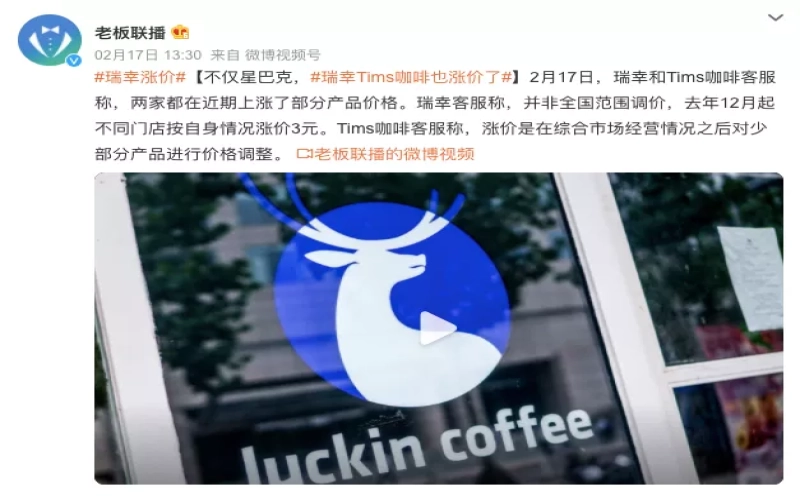
Behind the Coffee Chain Price Hikes: Brazilian Bean Shortages and Logistics Woes, Inflation Costs Are the Main Culprit
Recently, chain coffee brands such as Starbucks, Luckin, and Tim Hortons have successively raised prices, sparking widespread consumer attention. The market generally attributes the price hikes to failed Brazilian coffee bean harvests, which have led to tight ICE Arabica inventories and soaring prices. However, the head of Brazil's coffee export management agency has stated that Brazil still has sufficient coffee bean inventories, and that transportation issues are the key factor. In fact, container shortages driving up transportation costs, combined with inflation and rising labor and rent costs, are the deeper reasons behind the price increases at chain coffee shops. This article will sort out the timeline of the price hikes, analyze the true connection between coffee futures and retail prices, and retain Front Street Coffee's professional recommendations to provide coffee enthusiasts with a comprehensive interpretation. [more…]
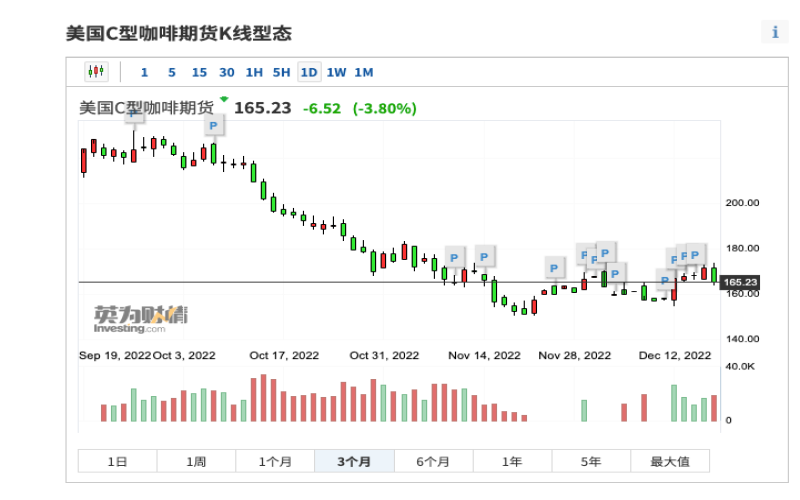
International futures prices for Arabica coffee beans have fallen sharply, yet price cuts for end consumers remain difficult to achieve.
Recently, an unusual situation has emerged in the international coffee market: Arabica coffee beans, which account for about 70% of global production, have not risen in price due to reduced output. Instead, dragged down by inflation, prices have fallen nearly 40% from their February high, hitting a one-year-and-five-month low. Worsening European business confidence, declining consumption, and a surge in certified inventories have significantly eased the balance between supply and demand. However, the decline in raw material prices has not been passed on to the end consumer market. Coffee beans account for only a limited share of coffee shop costs, and the premium on specialty coffee remains. Consumers hoping to drink cheaper coffee may still have a long wait ahead. [more…]
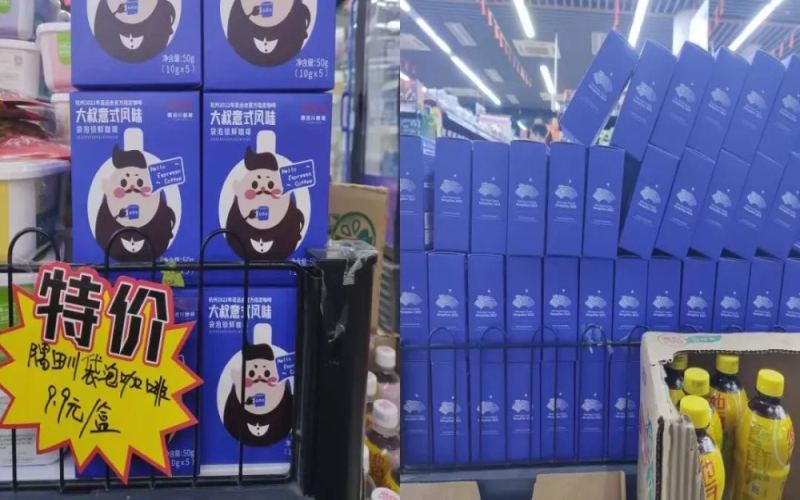
Sumida River Coffee's Executive Changes and Near-Expiry Product Controversy: Challenges on the Brand Expansion Path
Sumida River Coffee once used "fresh-lock" technology and Japanese manufacturing as selling points, achieving impressive results in the online market and setting a goal of exceeding 1 billion in offline revenue within three years. However, recently, issues such as the departure of its CMO and consumer complaints about near-expiry products have surfaced, exposing the brand's inventory and channel challenges amid rapid expansion. This article reviews Sumida River's development history, marketing strategies, and offline dilemmas, interspersed with Front Street brand recommendations, offering coffee enthusiasts an in-depth observation. [more…]

Jasmine Naibai Hello Kitty Collaboration Merchandise Sells Out, Sparking Customer Dissatisfaction; Police Advise Using Complaint Channels
Molly Tea has teamed up with Hello Kitty to launch limited-edition drinks and merchandise, drawing a flood of fans who raced to snap them up the moment sales opened. Yet once the promotion began, consumers in many cities reported that their payments went through but they never received the merchandise, and some stores even canceled orders without any notice. Customers who showed up to collect their orders were told the merchandise was first come, first served and would be given out only while supplies lasted, leaving some people to make the trip for nothing. As frustration mounted, disputes between customers and staff broke out at some stores, prompting calls to the police; officers advised those affected to defend their rights through channels such as 12315. The collaboration drew widespread complaints because of problems with merchandise inventory and order management. [more…]

Luckin stores concentrate on destroying Coconut King series ingredients, behind the full delisting of the third anniversary limited edition products
It is not uncommon for chain coffee brands to destroy inventory in bulk due to expired ingredients or quality issues, but what Luckin recently discarded on a large scale was a batch of coconut royale series ingredients that were still within their shelf life. This pink liquid was not spoiled, but rather the normal color of the third-anniversary limited-edition product. From the April collaboration with Pop Mart that triggered a buying frenzy, to now going days in stores without selling a single cup, the fate of the coconut royale series reflects the harsh reality after a new product's hype fades. Front Street Coffee notes that this incident has also sparked consumer discussion about product lifecycles and inventory management. [more…]
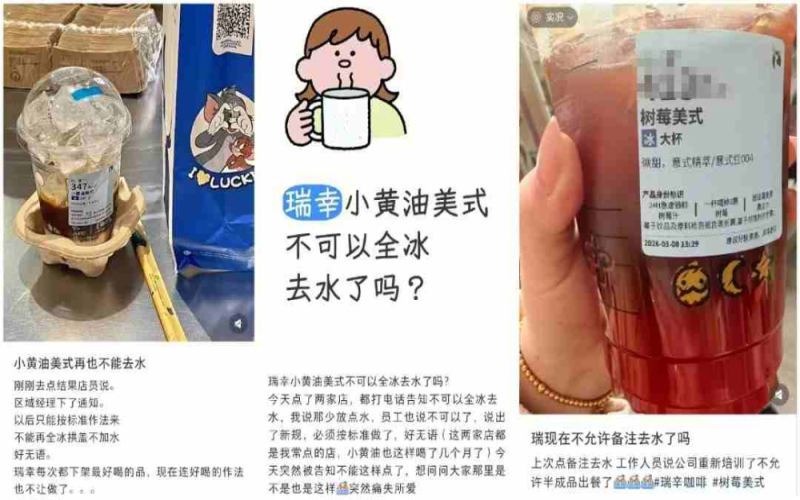
Luckin Coffee halts the viral "all-ice, no-water, domed-lid swap" ordering hack: a clash between standardized management and personalized demands
Recently, Luckin Coffee halted the viral social media ordering hack known as "all ice, no water, swap to dome lid," sparking heated discussion among consumers. This drinking method, which replaces still water with ice cubes and swaps the flat lid for a dome lid, makes the beverage richer in flavor and more photogenic, and was once imitated by many netizens. However, because this operation falls outside standardized procedures and causes confusion in store inventory between flat lids and dome lids, the company has issued a notice prohibiting stores from continuing to make it. Some consumers believe the brand should adapt its products to meet demand, while others understand the necessity for chain brands to maintain standardized operations. This debate over the balance between personalized customization and store management is worth the attention of coffee enthusiasts. [more…]